
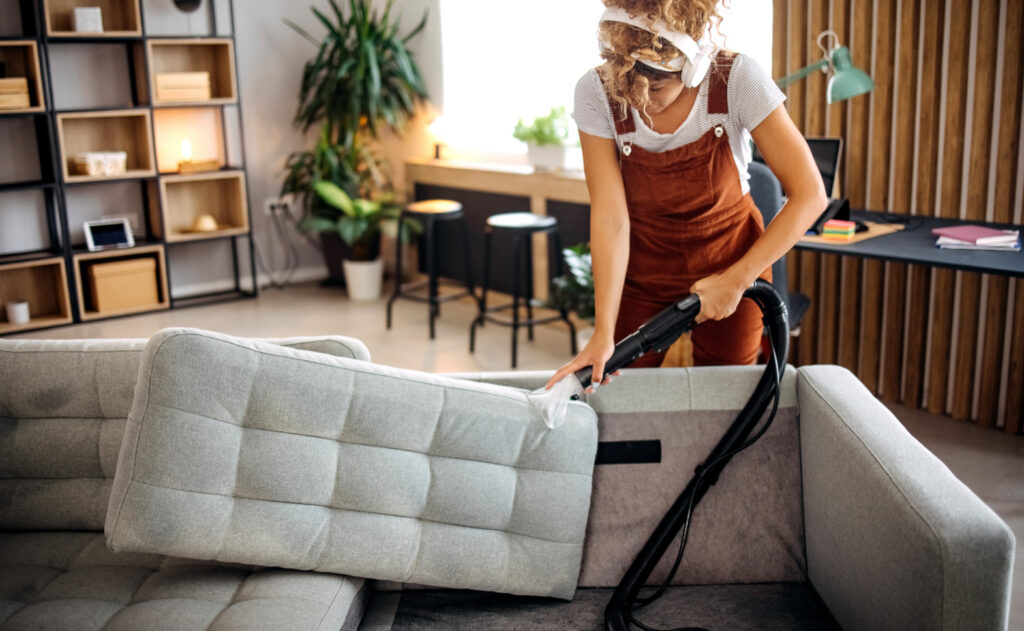
Introduction to Deep Cleaning and Organizing
Understanding deep cleaning for beginners is essential for creating a comfortable living space. Your home should serve as a sanctuary, but clutter and grime can turn it into a source of stress. Deep cleaning involves a systematic approach to tasks beyond the usual routine, while organizing creates lasting systems.
Deep cleaning differs from weekly cleaning by requiring tasks like vacuuming under furniture and scrubbing grout. Organizing complements this by designating specific places for belongings to facilitate long-term maintenance.
Research demonstrates that clutter and disorganization can significantly affect mental well-being, causing feelings of overwhelm. A clean space reduces allergens, improves air quality, and fosters relaxation.
This guide teaches you how to approach deep cleaning and organizing room by room, what supplies you’ll need, and how to establish habits that prevent future disarray. We break down the process into manageable steps, tackling tough spots and helping you maintain progress efficiently.
Prerequisites and What You'll Need
Gathering the right supplies is crucial for an effective deep cleaning process. A solid foundation of essentials simplifies the task and prevents frustration.
Essential cleaning supplies include:
All-purpose cleaner
Disinfectant spray
Microfiber cloths, which are reusable
Bucket
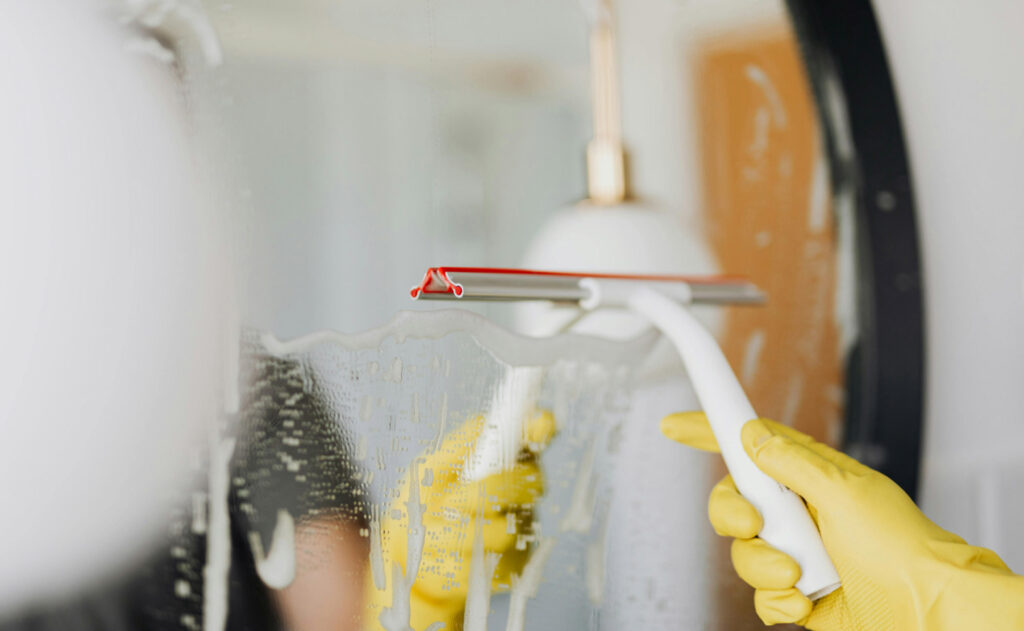
Glass cleaner
White vinegar
Baking soda
Labels
A permanent marker
Trash bags for discards
Boxes for donations
Having these ready prevents delays during the decluttering process.
Setting realistic expectations is key. Breaking projects into manageable chunks prevents burnout. Allocate specific time blocks for tasks—even 30-minute sessions can lead to noticeable progress.
Deep cleaning often takes longer than anticipated. Budgeting 50% more time than estimated helps avoid frustration from unfinished tasks. The goal is to create lasting systems, not rush through the process.
Step-by-Step: Decluttering Before Deep Cleaning
Decluttering is the first step before deep cleaning. Cleaning around clutter wastes time; moving items without organizing doesn’t solve the problem. Decluttering lays the foundation for effective home organizing for beginners.
Sort Everything into Three Categories
Begin by sorting items into three categories: keep, donate, and discard. Touch each item once and decide its fate. If it doesn’t serve a purpose or bring joy, consider donating or discarding it. A systematic approach prevents overwhelm and builds sustainable habits.
The keep pile should contain only items you use regularly or genuinely value. Be ruthless holding onto “just in case” items creates clutter.
Tackle One Room at a Time
Attempting to declutter the entire home in one weekend leads to burnout. Focus on one room or zone within a room at a time. Completing a space fully before moving on provides visible wins that boost motivation.
Start with easier areas like the bathroom or entryway before tackling emotionally challenging spaces like the bedroom or home office. Each completed room builds momentum.
Make Quick Decisions Without Second-Guessing
Set a timer for 30-second decisions per item. If you’re still unsure, place it in the donate pile. Analysis paralysis hinders progress, and hesitation often means the item isn’t truly important. Maintaining momentum matters more than perfect choices.
Once decluttering is complete, you can focus on cleaning surfaces, making the process more effective.
Organizing Spaces Efficiently
With decluttering done, the real transformation begins creating systems for long-term organization. Smart organization changes how you live in your home, making it easier to maintain the clean slate you’ve created.
Maximize Every Inch with Vertical Thinking
Beginners often overlook vertical space. Vertical storage solutions multiply available space without needing a larger home. Install floating shelves in the kitchen, hang pegboards in the garage, or add stackable bins in closets that reach the ceiling. Multi-functional furniture like ottomans with hidden storage serves dual purposes.
Label Everything (Yes, Really)
Labels may seem excessive but create accountability. When everything has a designated home, family members are more likely to return items to their places. Use a label maker for containers in the pantry, linen closet, or toy bins. Clear bins with labels allow you to see contents at a glance.
The Maintenance Mindset
Organizing isn’t a one-time event. Maintaining a clutter-free environment requires daily micro-habits. Spending 10 minutes each evening returning items to their labeled homes prevents chaos from rebuilding. Consistent decluttering becomes a lifestyle rhythm, not a dreaded task.
Effective Deep Cleaning Techniques
Once organized, deep cleaning transforms surfaces from tidy to genuinely clean. Routine cleaning differs from deep cleaning by addressing built-up grime in overlooked areas.
High-Touch Areas and Hidden Hotspots
Focus on surfaces touched daily. Light switches, door handles, cabinet pulls, and remote controls harbor bacteria and grime. These areas require regular disinfection. Meanwhile, hard-to-reach spots like ceiling fan blades and baseboards accumulate dust affecting air quality.
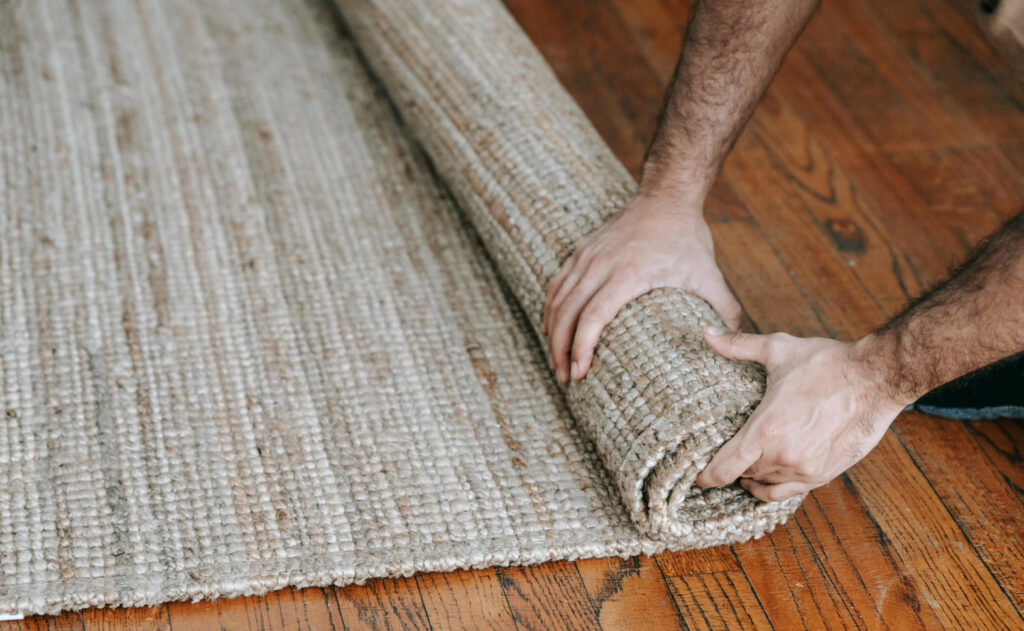
Move furniture periodically to clean behind sofas and under beds. The top of your refrigerator likely hasn’t been cleaned since you moved in.
Natural Cleaning Solutions That Actually Work
Vinegar, baking soda, and lemon juice handle most deep cleaning tasks without harsh chemicals. White vinegar cuts through soap scum, and baking soda acts as a gentle abrasive. Mixing them creates a fizzing reaction that helps loosen grime.
These natural solutions are cost-effective and won’t irritate skin or lungs, making them ideal for kitchens and bathrooms.
Your Room-by-Room Deep Cleaning Checklist
A comprehensive deep cleaning checklist keeps you focused and prevents overwhelm. Break it down by room: kitchens need oven and refrigerator interiors cleaned, bathrooms require grout scrubbing, bedrooms benefit from mattress vacuuming.
Tackling one room completely before moving on creates visible progress that motivates you to continue rather than leaving tasks unfinished.
“We called Northeast Ohio Professional Cleaning Services when another company cancelled on us last minute for our move-out cleaning. Northeast Ohio Professional Cleaning Services was able to book us and make it out in 2 hours and did an amazing job. We even got our deposit back.”
Comparison: Popular Decluttering and Organizing Methods
Choosing the right organizing philosophy determines whether systems stick. Two dominant approaches—the Kon Mari Method and Minimalism—offer different frameworks.
Kon Mari Method vs. Minimalist Approach
The Kon Mari Method, popularized by Marie Kondo, emphasizes emotional connection: keep only items that “spark joy.” It involves category-by-category decision-making. Minimalism focuses on intentional living through radical reduction, asking “Does this add value to my life?”
Choosing Your Best Fit
Neither method suits everyone universally. Kon Mari works for emotional decision-makers, while Minimalism appeals to logical thinkers. Borrow elements from both so that you set realistic item limits. Your lifestyle should dictate your approach.
Common Mistakes to Avoid
Beginning a deep cleaning schedule without a solid plan leads to frustration. Understanding common pitfalls saves time and discouragement.
Over-Purchasing Organizing Products
Buying storage solutions before decluttering means organizing around clutter rather than needs. Americans spend over $2 billion annually on organizing products, yet many homes remain cluttered. Declutter first, then shop for storage based on actual needs.
Setting Unrealistic Expectations
A deep cleaning schedule should match your real-world availability. Beginners often overestimate their ability to complete marathon sessions. Break projects into 15-30 minute increments instead.
Skipping the Systematic Approach
Jumping between rooms creates chaos without completing anything. Following room-by-room sequences ensures progress. Incomplete cleaning delivers disappointing results.
Limitations and Considerations
Deep cleaning isn’t one-size-fits-all. Recognizing personal constraints prevents frustration. Physical limitations, health conditions, or age-related factors can make tasks dangerous.
Time investment is another barrier. A thorough whole-house deep clean requires 15-30 hours over multiple days. Breaking tasks into smaller chunks is more manageable.
Decluttering before deep cleaning is essential. Severe hoarding situations require professional organizers. Professional help for specialized tasks creates a balanced approach.
Key Deep Cleaning Takeaways for Beginners
Deep cleaning and organizing your home require a methodical approach. Declutter before cleaning, work room by room, and establish systems that match your lifestyle. A manageable routine beats sporadic marathon sessions.
Organized spaces reduce stress, save time, and foster relaxation. Clutter impacts productivity and mental clarity, making organization more than just housekeeping.
Start small—a single drawer, one closet, or a kitchen counter. Small victories create momentum. Consistency compounds—fifteen minutes daily outperforms monthly marathons.
Your home should work for you, not against you. Start today with manageable actions, knowing each step creates lasting change.

I love a good deep clean and organize. Looking forward to reading your tips and tricks!
Comments are closed.